

A routine dental visit involves more than a glance at the teeth. At a dental clinic in Wetaskiwin, the teeth and gums can be examined for early signs of decay, irritation, damage, or other changes that may not cause pain or obvious symptoms. Regular checkups also create an opportunity to monitor oral health over time, discuss any new concerns, and receive practical advice for keeping teeth and gums clean and healthy between visits.
What Happens First During a Dental Checkup?
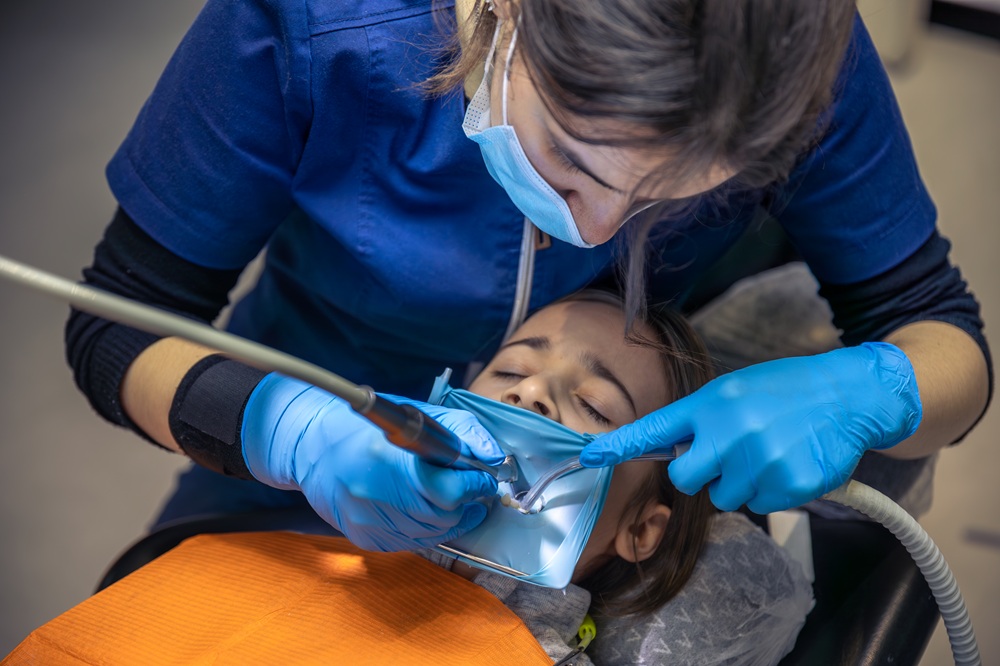
A dental checkup usually starts with a discussion about any concerns you have, followed by an exam of your mouth. Tell your dentist about any pain, sensitivity, bleeding, or changes since your last visit.
A dental checkup may include:
- Talking about your oral health
- Checking your teeth and gums
- Looking for cavities or damage
- Checking hard-to-see areas
- Discussing your brushing and flossing habits
The checkup may be different based on your oral health needs.
Are Teeth and Gums Checked?
Yes. During dental checkups in Wetaskiwin, the teeth are examined for visible signs of cavities, cracks, wear, or other changes. The gums are also checked for signs of irritation, swelling, or bleeding.
Early gum problems may not always cause noticeable discomfort. A regular examination can help identify changes that may need attention before they become more difficult to manage.
Is a Dental Cleaning Part of the Visit?
A dental checkup and cleaning are different. A cleaning removes plaque and buildup from your teeth, while a checkup looks for any problems with your teeth and gums.
If a cleaning is scheduled during the same visit, it may include:
- Removing plaque and tartar
- Cleaning around the gumline
- Polishing the teeth
- Reviewing areas that may need better daily cleaning
The need for cleaning and the recommended schedule depend on individual oral health.
Are X-Rays Always Needed?
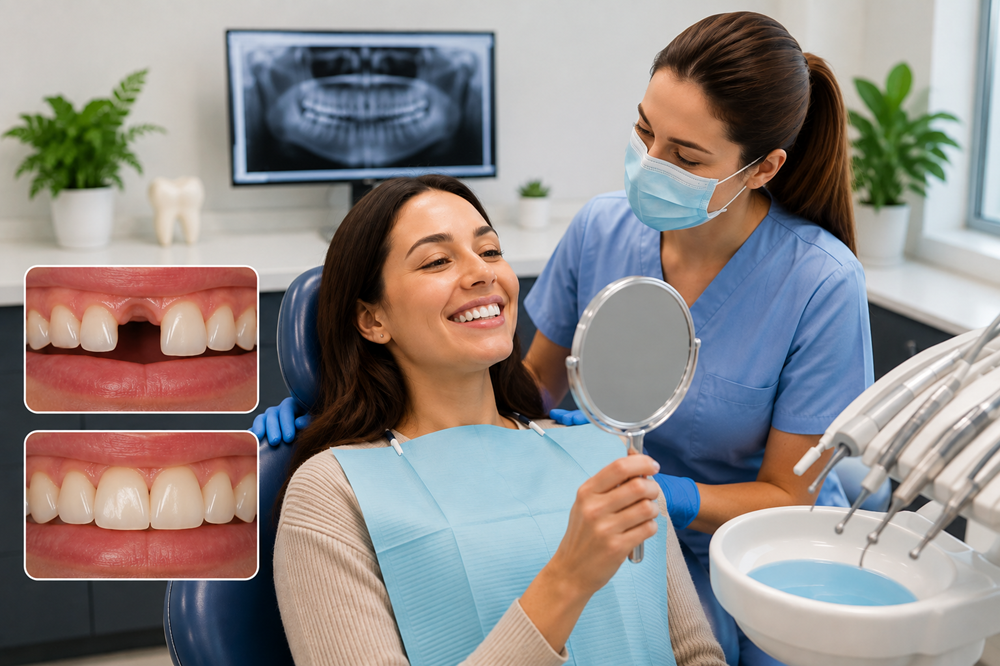
No. Dental X-rays are not necessarily required at every appointment. They may be recommended when a closer look is needed to identify problems that cannot be seen during a visual examination.
An X-ray may help assess areas such as:
- Tooth decay between teeth
- Problems below the gumline
- Changes around a tooth
- Developing dental concerns
The type and timing of X-rays depend on dental history, symptoms, age, and individual risk factors.
What Else Is Checked During a Routine Visit?
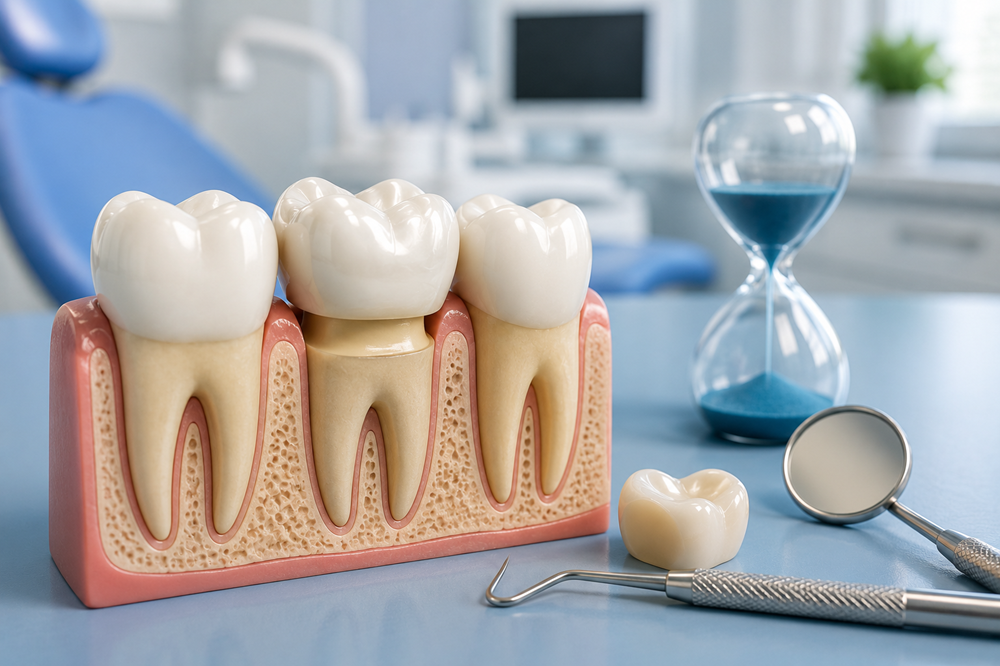
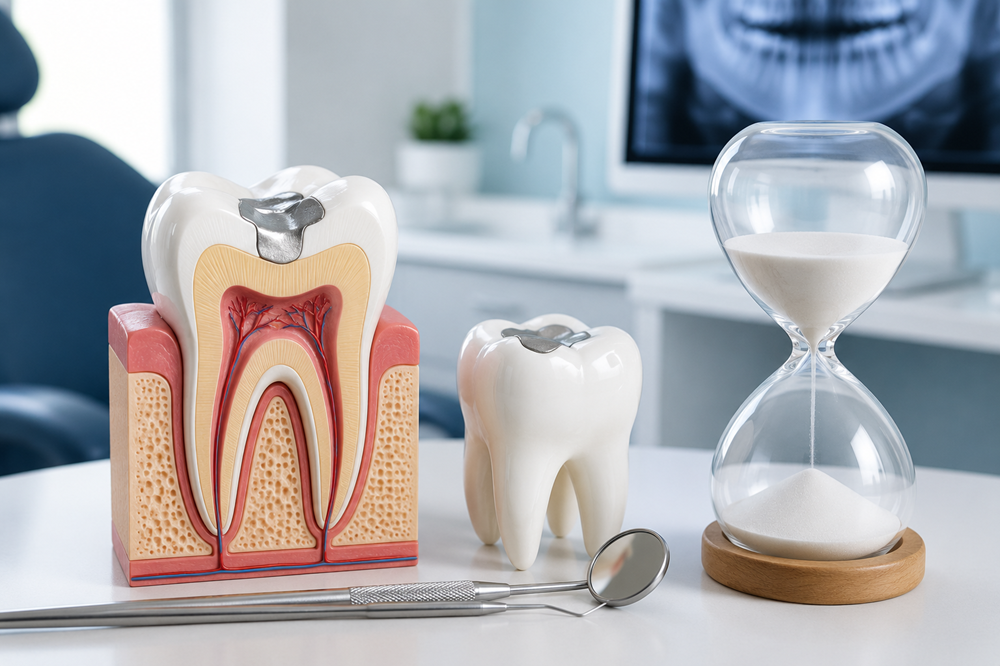
A routine examination may also involve checking how the teeth fit together when biting and looking for signs of tooth wear. Existing dental work, such as fillings, crowns, or other restorations, may also be examined.
A dental clinic near you can use these checks to monitor changes and determine whether any area needs closer attention.
The visit may also include questions about:
- Tooth sensitivity
- Jaw discomfort
- Bleeding gums
- Changes in the mouth
- Difficulty cleaning certain areas
Sharing these concerns can help make the examination more useful.
Why Are Regular Dental Checkups Important?
Regular dental checkups near you can help keep track of oral health rather than waiting until a problem becomes painful. Some dental concerns can develop without obvious symptoms, so an examination may identify changes earlier.
Regular visits can help:
- Monitor teeth and gums.
- Identify possible cavities
- Check existing dental work.
- Review oral hygiene habits.
- Determine when further treatment may be needed.
A checkup does not guarantee that every dental problem will be prevented, but it provides an opportunity to monitor oral health regularly.
How Often Should You Have a Dental Checkup?
There is no single schedule that works for everyone. The recommended timing can depend on gum health, cavity risk, previous dental problems, oral hygiene, age, and other individual factors.
Some people may need regular dental visits, while others may need to go more often. Your dentist can suggest a visit schedule based on the health of your teeth and gums.
How Can You Prepare for a Checkup?
Preparation can make the visit easier and more productive.
Before the appointment:
- Make a note of any tooth pain or sensitivity.
- Mention changes in your gums or mouth.
- Bring a list of medications if requested.
- Share concerns about previous dental treatment.
- Continue normal brushing and flossing.
There is no need to make major changes to your oral care routine before a regular examination.
Ready to Stay Ahead of Your Dental Health?
If you see the dentist regularly, you can have your teeth and gums monitored for changes and discuss your issues before they worsen. Reach out to Spring Dental to book your next checkup, discuss any symptoms or changes you’re noticing, and get straightforward, practical tips for maintaining your oral care between visits.
FAQs
How long does a dental checkup take?
The time can vary based on the exam, cleaning, X-rays, and your needs. A simple checkup may take less time than a visit that needs extra tests.
Can a checkup find cavities without pain?
Yes. Some cavities do not cause pain at first. A dentist can find them during an exam and may use X-rays when needed.
Should dental checkups be scheduled if everything feels fine?
Yes. Feeling fine does not always mean there are no dental concerns. Regular examinations allow the teeth and gums to be monitored even when there are no symptoms.
What should be done if a problem is found?
The recommended next step depends on the findings. It may involve monitoring the area, improving daily care, scheduling treatment, or arranging additional testing.