

What Is a Dental Bridge?
A dental bridge is a fixed restoration used to replace one or more missing teeth. Unlike a removable partial denture, it stays in place after being fitted. The replacement tooth, called a pontic, sits in the space left by the missing tooth.
Depending on the type of bridge, the pontic may be supported by natural teeth or dental implants. Your dentist can examine your teeth and gums and explain which option may work for you.
How Bridges Help Your Smile
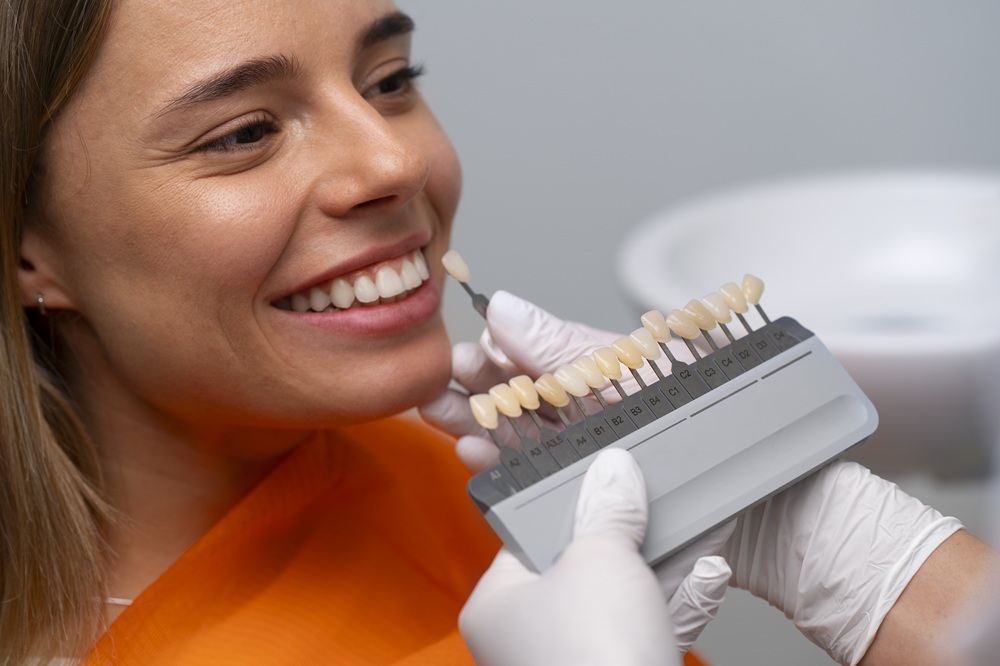
A missing tooth can leave an obvious gap, especially when it is near the front of your mouth. A bridge fills that space and can make your smile look more complete. The replacement tooth is made to fit with the surrounding teeth in shape, size, and colour.
An empty space can affect the surrounding teeth, which may cause them to shift into that space, changing how your teeth meet when you bite.
Supporting Your Bite and Chewing
Each tooth helps with chewing. When a tooth is lost, the surrounding teeth may have to do more of the work. Depending on where the gap is, some foods may become harder to chew, or eating may simply feel different.
Dental bridges near you can fill the space and give you a tooth to use when chewing. A bridge does not strengthen your natural teeth, but replacing the missing tooth can make everyday eating easier.
You may also notice that you chew more on one side or avoid certain foods because of the gap. Replacing the missing tooth can help restore balance to your bite, although the results may vary depending on your teeth and overall oral health.
A bridge also needs suitable support. Gum problems, tooth decay, or weakened teeth may affect whether a bridge is appropriate. Your dentist will check these areas before recommending treatment.
What to Expect During Treatment
Treatment starts with an examination of your teeth and gums. Your dentist may take X-rays or other images to examine the area around the missing tooth and the teeth that will support the bridge.
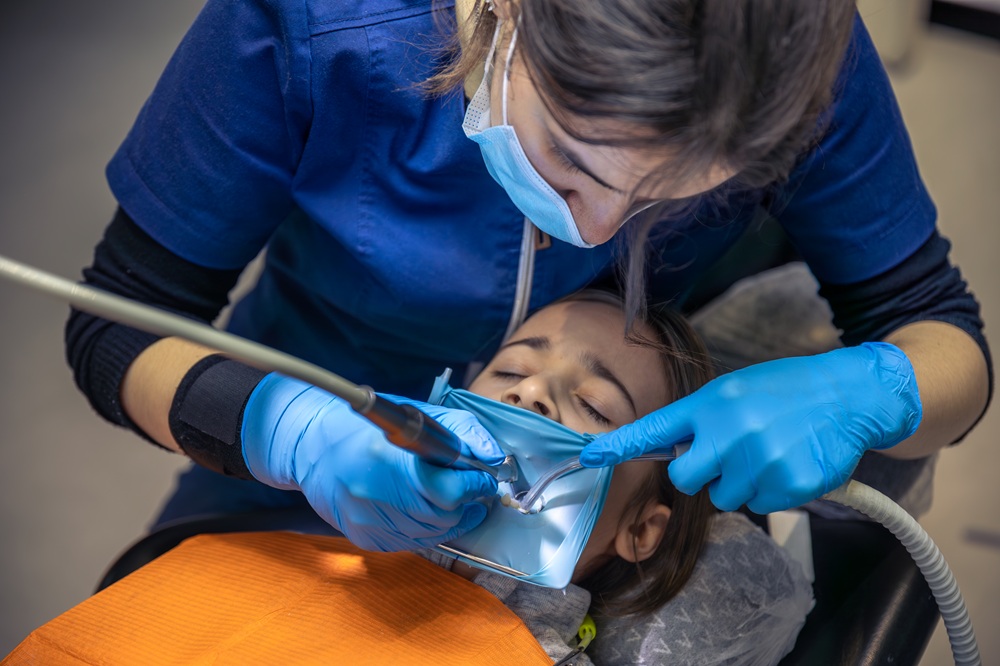
For a traditional bridge, the supporting teeth are prepared so the restoration can fit over them. Impressions or digital scans are then taken to help create the bridge. You may receive a temporary restoration while the permanent bridge is being made.
At the next appointment, the finished bridge is checked for fit, appearance, and bite before it is secured in place.
Caring for Your Bridge
A bridge needs the same kind of daily attention as your natural teeth. Brush twice a day and clean around the bridge and underneath the replacement tooth. A floss threader or interdental brush can help reach areas that are difficult to clean.
Regular dental visits are important, too. Your dentist can check the bridge, nearby teeth, and gums for any problems that may need attention.
Conclusion
If you are considering dental bridges, Spring Dental can assess your smile and discuss whether a bridge may be right for you. The team can explain your options and what you can expect from treatment.
If you are looking for a dentist near you, contact Spring Dental to discuss all your dental bridge options.