
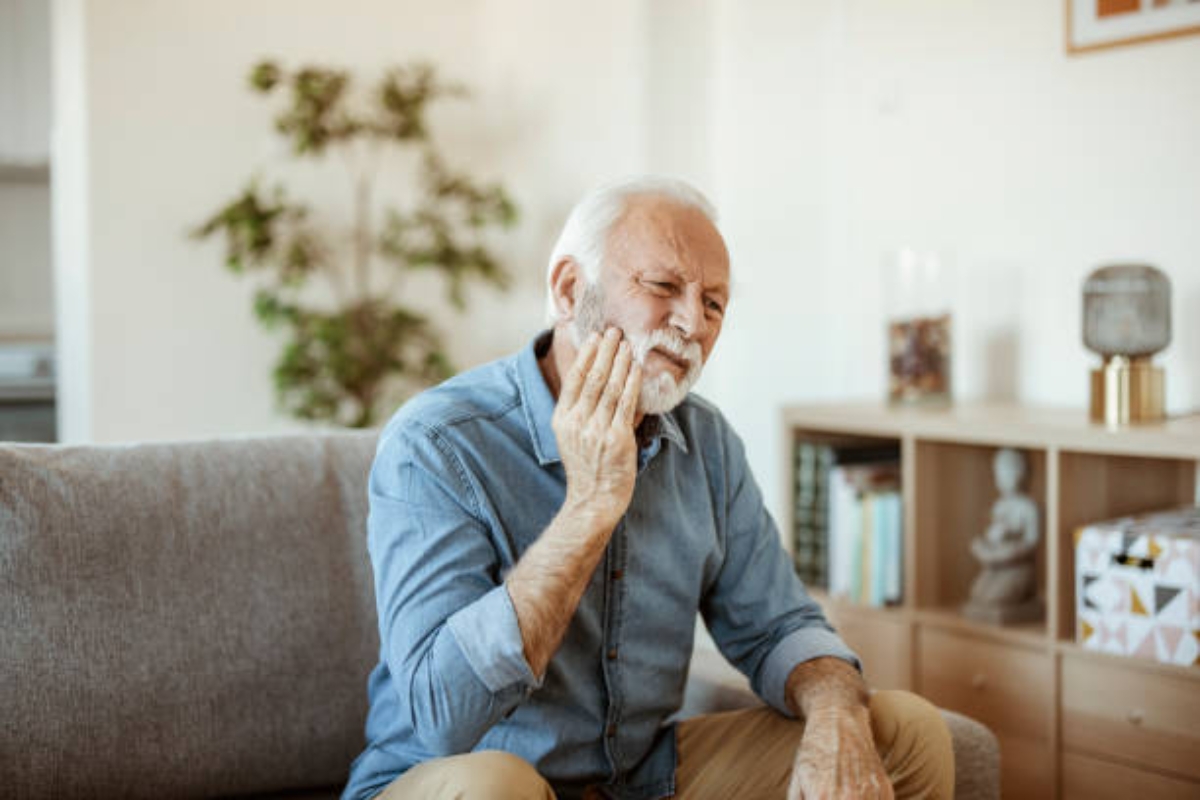
Age affects teeth and gums by thinning enamel, increasing gum recession, exposing roots, and reducing saliva flow. These changes make sensitivity, irritation, and inflammation more likely. Early checkups and proper gum care treatment in Wetaskiwin, AB help manage these issues before they worsen.
Why Do Teeth Become More Sensitive as You Age?
Sensitive nerves become easier to trigger as enamel becomes thinner. This natural wear exposes the inner layers of the tooth, which increases sensitive teeth when eating hot, cold, or sweet foods.
What Causes Sensitive Teeth as You Get Older?
The main causes of sensitive teeth as you age include:
- Enamel erosion over time
- Gum recession
- Worn-down fillings or dental work
- Micro-cracks in teeth
- Long-term grinding or clenching
These changes leave the inner tooth more exposed and reactive.
How Does Aging Affect Gum Health?
Aging can weaken tissues that support the teeth. Reduced circulation, slower healing, and long-term plaque buildup contribute to declining gum health, especially if dental visits were irregular in earlier years.
What Is Tooth Root Exposure and Why Does It Increase With Age?
Receding gums often lead to tooth root exposure. Roots are softer and lack enamel, making them more sensitive and more prone to decay. This is one of the leading age-related causes of tooth discomfort.
Common Gum Problems in Older Adults
Many gum problems in older adults are linked to plaque bacteria, medications, or medical conditions like diabetes. Issues may include:
- Swollen or bleeding gums
- Gum pockets
- Bad breath
- Loosening teeth
Treating gum issues early prevents long-term bone loss.
How Does Dry Mouth Relate to Aging?
Reduced saliva flow is a frequent result of medications and natural aging. Dry mouth and aging are strongly connected, and when saliva decreases, harmful bacteria stay longer on teeth and gums, increasing the risk of irritation, cavities, and gum disease.
How Age Affects Teeth Sensitivity and Gum Health
The combined effect of enamel thinning, gum recession, bone changes, and reduced saliva shows how age can affect teeth sensitivity and gum health. These gradual changes make everyday activities, like brushing or eating, more uncomfortable without proper care.
Why Seniors Need a Strong Oral Hygiene Routine
Good oral hygiene for seniors helps reduce plaque, sensitivity, and gum infections. Helpful habits include:
- Using fluoride toothpaste
- Brushing with a soft brush
- Flossing daily
- Drinking water regularly
- Using mouthwash for dry mouth relief
Small daily habits reduce age-related oral discomfort.
Should Older Adults Visit the Dentist More Often?
Seeing a dentist in Wetaskiwin, AB allows early detection of enamel wear, gum recession, or decay before symptoms worsen. Seniors often benefit from more frequent cleanings because gum recession and sensitivity progress slowly and silently.
Choosing the Right Dental Support as You Age
A trusted dental clinic near you can recommend treatments such as fluoride varnish, desensitizing solutions, deep cleanings, or gum therapy. Personalized care keeps issues manageable as your oral needs change with age.
Young vs. Aging Teeth & Gums
| Feature | Younger Adults | Older Adults |
| Enamel thickness | Stronger | Thinner |
| Gum position | Firm, higher | Receded |
| Sensitivity | Less common | More common |
| Saliva flow | Higher | Lower |
| Gum disease risk | Moderate | Higher |
Wrapping Up!
Aging naturally affects both teeth and gums, but the right care can slow these changes and prevent discomfort. Spring Dental supports patients of all ages through personalized care, early detection, and gentle treatment options designed to protect long-term oral health. If you’ve noticed new sensitivity, gum recession, or dryness, our team is here to help you stay comfortable and confident.