
Waking up in the middle of the night to a strange scraping sound coming from a child’s bedroom can be pretty confusing. That noise is often the sound of teeth rubbing together, which is a habit many youngsters develop. When parents look for pediatric dentistry in Wetaskiwin, AB, they usually ask if these sounds are normal or if they should be worried about their little one’s smile. Teeth grinding, which experts call bruxism, is very common in toddlers and school-aged kids. While the sound might make a person cringe, most children eventually grow out of the habit without any long-term trouble. However, understanding why it happens helps parents decide when to seek professional advice.
Understanding the Common Reasons for Grinding
It might seem strange for a relaxed, sleeping child to be clenching their jaw so tightly. There are several different causes of teeth grinding in children at night that a dentist might discuss during a checkup.
- New Teeth Growing In: Just like babies use chew toys when they are teething, older children might grind their teeth as permanent ones start to poke through the gums. The mouth feels different, and sliding the jaw back and forth might feel like it relieves pressure.
- Misaligned Bites: If the top and bottom teeth do not line up perfectly, a child’s brain might try to “fix” the fit by grinding them down until they feel comfortable.
- Stress or Anxiety: Even small kids deal with big feelings. Changes like starting a new grade, moving to a different house, or having a small argument with a friend can lead to tension that comes out during sleep.
- Medical Issues: Sometimes, a stuffy nose or an earache can trigger jaw clenching. Moving the jaw can help open the ear tubes or make breathing slightly easier when a child feels congested.
Does Grinding Hurt a Child’s Smile?
A widespread concern for families is whether or not can teeth grinding damage child’s teeth over a long period. In most cases, the grinding is mild and does not cause permanent harm to baby teeth. Since baby teeth are meant to fall out anyway, a little bit of wear is usually okay. However, if the grinding is very forceful or continues once the permanent adult teeth arrive, some problems might occur:
- Enamel Wear: The hard outer layer of the tooth can wear down, making the teeth sensitive to ice cream or hot soup.
- Jaw Pain: Waking up with a sore face or a headache is a sign that the jaw muscles are working way too hard during the night.
- Chipped Edges: On rare occasions, a powerful grinder might cause a tiny chip in a tooth, which would need a quick fix at a dental clinic near you to keep it smooth.
How to Help Your Child Relax
If grinding noise becomes a regular occurrence, there are simple ways to help a child’s body stay calm during rest. Creating a peaceful environment before bed is often a significant first step.
- Reading Together: Spending quiet time with a book reduces stress and helps the brain transition into a deep, peaceful sleep.
- Limit Screen Time: Avoiding bright tablets or television an hour before bed helps keep the nervous system from getting too excited.
- Talk About Their Day: Giving a child a chance to talk about any worries can prevent those feelings from turning into jaw tension at night.
If these steps do not stop the habit, a dentist in Wetaskiwin, AB can examine whether a special night guard is necessary. These are soft plastic pieces that fit over the teeth to act as a cushion, so even if the child grinds, the teeth never actually touch.
When to Schedule a Visit
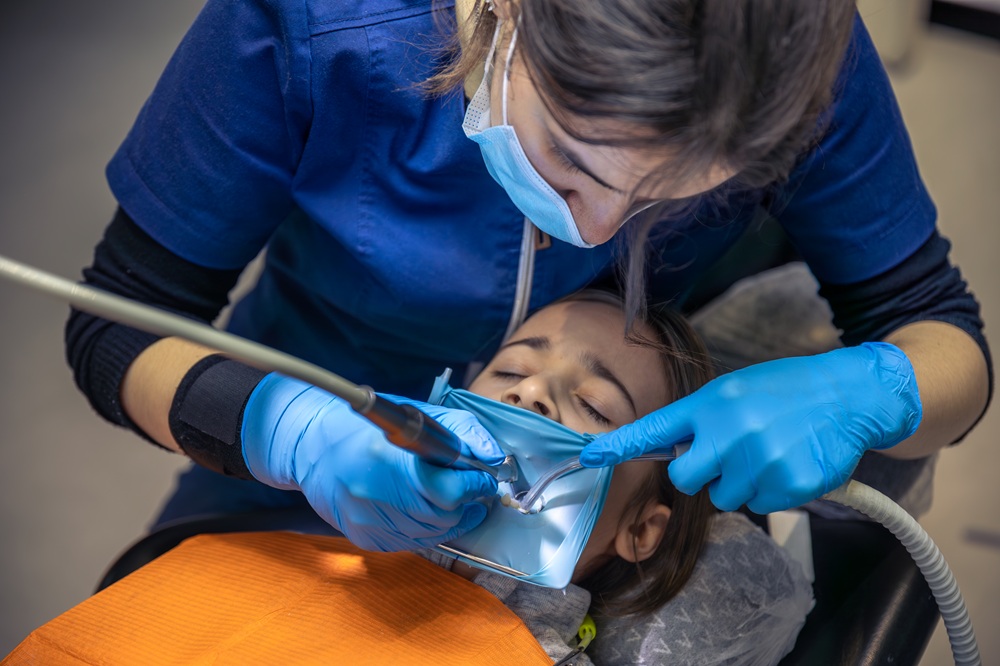
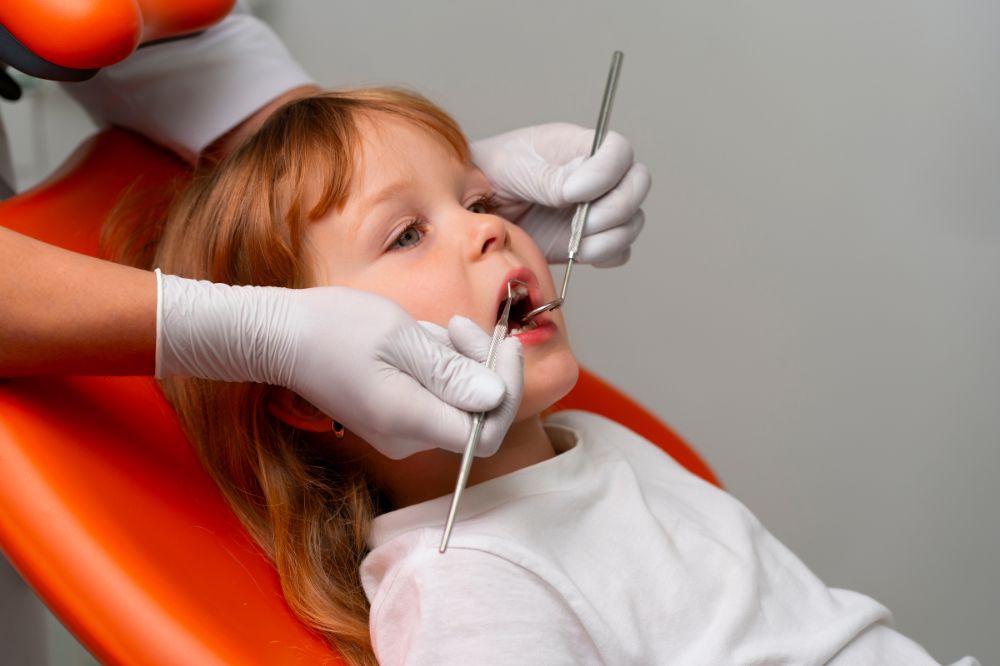
Most of the time, a dentist will monitor the situation during regular six-month cleanings. They look for signs of wear and check the position of the adult teeth. If a child complains of a tired jaw in the morning or has trouble chewing, it is a good idea to seek help sooner rather than later. Modern dental clinics are designed to be fun and welcoming for kids. Dentists use tiny mirrors and gentle tools to ensure the child feels safe and happy while their smile is being checked. Catching any alignment issues early can make a big difference in how the permanent teeth grow in later.
Building a Foundation for Bright Smiles
Watching a child grow involves many milestones, and keeping their teeth healthy is a big part of that journey. If you have concerns about your little one’s habits or want to learn more about pediatric dentistry, our team at Spring Dental is ready to provide gentle and expert care. Helping children maintain strong smiles is a top priority, and a friendly dentist can make every visit a positive experience. Schedule your visit today.
Getting here is simple — just follow us on Google Maps for the best route. 📍
Frequently Asked Questions
Is teeth grinding a sign of worms?
There is an old myth that grinding means a child has a stomach parasite, but medical studies show there is no real link between the two. Usually, the cause is just related to stress, teething, or the shape of the jaw.
Will my child need a mouthguard?
Most children do not need a mouthguard because they stop grinding on their own by age 10 or 12. A dentist usually recommends one only if the permanent teeth show significant wear or if the child is in pain.
Can school stress cause night grinding?
Yes, even minor stress can cause a child to clench their jaw. If a child is nervous about a test or a sports game, they might grind more often during those specific weeks.
How do I know if the grinding is getting worse?
Keep an ear out for changes in the sound. If the grinding sounds louder or if your child starts complaining about headaches and earaches, it is a sign that the jaw muscles are under too much pressure.