
Many people brush their teeth every day and still get cavities. Others do not brush as often but rarely have tooth decay. This may be unclear. The truth is that cavities do not happen for just one reason. Many cavity risk factors determine why cavities form easily in some people. Regular dental checkups in Wetaskiwin AB help dentists find these risk factors early. Here we explain why some people get cavities more easily than others and how timely dental care can help prevent them.
What Are Cavities?
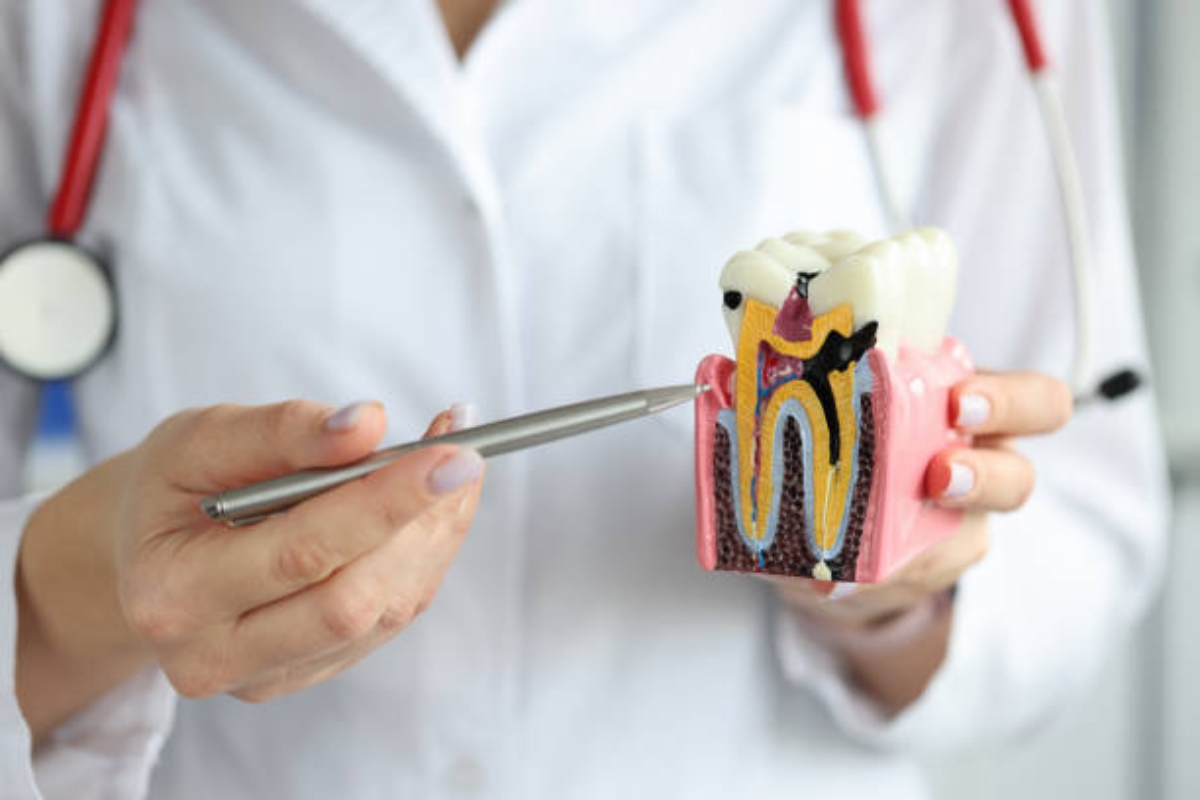
Cavities are small holes in the teeth, and dentist in Wetaskiwin AB also call them dental caries. They happen when bacteria in the mouth make acids. These acids attack the tooth enamel, which is the hard outer layer of the tooth. Over time, the enamel breaks down, and a cavity forms.
Why Cavities Are More Common in Some People
Some people get cavities more easily because of differences in their mouths, habits, and health. Below are the main reasons.
Natural Bacteria in the Mouth
Everyone has bacteria in their mouth, but not everyone has the same kind. Certain bacteria produce more acid. Your teeth are more prone to decay with more bacteria producing acids in the mouth. This is one reason why cavities form easily, even with brushing.
Weak Tooth Enamel
Your teeth are protected by enamel. Certain individuals have less strong enamel. Others lose enamel due to a poor diet or acid. Weak enamel erodes quickly, increasing the chances of cavities.
Dry Mouth Problems
Saliva plays a big role in oral health. Since it helps wash away food and neutralizes acids. If you have dry mouth, you may get cavities more often. Dry mouth can happen due to medications, stress or health conditions.
Diet High in Sugar and Starch
Sugary foods and drinks feed bacteria. Sticky foods like candy, chips, and soda stay on teeth longer. This gives bacteria more time to make acid. Frequent snacking increases cavity risk, even if you brush daily.
Poor Brushing and Flossing Habits
Brushing at least twice a day and flossing once daily is very important. If plaque is not removed or eliminated, it hardens and turns into tartar. Tartar holds bacteria close to the teeth and gums, leading to decay.
Skipping Dental Checkups
Regular dental checkups help find small problems early. When people skip visits to the dentist, small cavities can grow bigger. Seeing a dentist every six months helps prevent serious tooth damage.
Common Cavity Risk Factors
| Cavity Risk Factor | How It Affects Teeth |
| Weak enamel | Breaks down faster |
| Dry mouth | Less saliva to protect teeth |
| High sugar diet | Feeds bacteria |
| Poor oral hygiene | Plaque builds up |
| Skipping dental checkups | Cavities grow unnoticed |
Genetics and Family History
The risk of dental cavities can be inherited through families. Your parents might pass on to you tooth shape, enamel strength or saliva flow. This doesn’t mean you can’t get cavities, but it does mean you need to be extra careful.
Age and Hormonal Changes
Children and older adults are more likely to get cavities. Children may not brush well. Older adults may have gum recession, exposing tooth roots. Hormonal changes during pregnancy can also increase cavity risk.
How to Prevent Frequent Cavities
The good news is that cavities are not always unavoidable. With the right daily habits and regular care, you can lower your risk. Here are some easy and practical ways to help prevent frequent cavities:
- Brush teeth at least twice a day, employing a fluoride toothpaste.
- Floss once a day to clean between the teeth
- Drink water instead of sugary drinks.
- Limit snacks between meals.
- Chew sugar-free gum to increase saliva.
- Go to a dental clinic near you for regular dental exams.
Role of Dental Checkups and the Dentist
A dentist does more than fix cavities. During dental checkups, the dentist checks for early signs of decay, cleans plaque and gives advice. Professional cleanings remove tartar that brushing cannot. Visiting a dental clinic near you helps keep your teeth strong and healthy.
Final Thoughts
Cavities are not just about brushing. They depend on bacteria, enamel strength, saliva, diet, habits and dental visits. Understanding these cavity risk factors helps you take better care of your teeth. With the right habits and regular dental checkups, most cavities can be prevented.
Stop Cavities Early With Dental Checkups!
At Spring Dental, we help stop cavities early with regular dental checkups. Our dental clinic focuses on prevention, early diagnosis and gentle care. During your visit, our dentist checks for tooth decay, plaque and gum issues. We explain findings in simple words and guide daily care. Book your dental checkup today at Spring Dental.
FAQs
Can genetics cause cavities?
Yes, genetics can affect enamel strength, saliva flow and tooth shape, increasing cavity risk.
How often should I visit the dentist?
Most dentists recommend dental checkups every six months.
Does drinking water help prevent cavities?
Yes. Water washes away food and helps reduce acid in the mouth.