

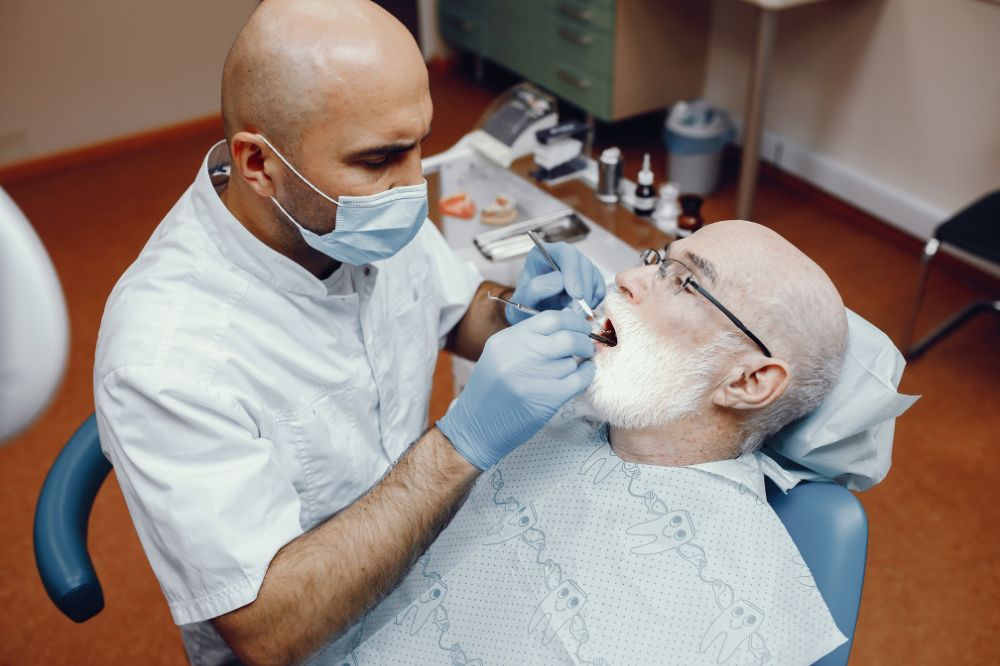
If your dentist has told you that you need a root canal in Wetaskiwin, chances are the first thing that came to mind was: will it hurt? You are not alone. A lot of people feel nervous when they hear those two words. But here is the truth — a root canal is not as scary as it sounds. In fact, most patients say the procedure felt no worse than getting a regular filling. Let’s break it down so you know exactly what to expect.
What is a Root Canal?
Inside every tooth, there is a soft tissue called the pulp. This pulp contains nerves, blood vessels, and connective tissue. When the pulp becomes infected or inflamed — usually due to deep tooth decay, a cracked tooth, or repeated dental procedures — it needs to be removed. A root canal, also called endodontic treatment, is the procedure where the dentist in Wetaskiwin removes the infected pulp, cleans out the inside of the tooth (the root canals), and then fills and seals it. The goal is simple — save the natural tooth and stop the pain caused by the infection.
Signs You May Need a Root Canal
How do you know if you need this treatment? Look out for these signs:
- Severe toothache, especially when chewing or applying pressure
- Sensitivity to hot or cold that does not go away quickly
- Swollen or tender gums near the affected tooth
- Darkening or discoloration of the tooth
- A small pimple-like bump on the gums (this is called a dental abscess or fistula)
If you notice any of these symptoms, it is important to visit a dentist right away. The sooner the infection is treated, the better the outcome.
What Happens During a Root Canal?
Many people are surprised to find out that a root canal procedure is actually straightforward. Here is what happens, step by step:
Step 1 — Local Anesthesia
The dentist will first numb the area around the tooth using a local anesthetic. This means you will feel little to no pain during the procedure. The tooth and the surrounding gum will be completely numb before any work begins.
Step 2 — Placing a Dental Dam
A small rubber sheet called a dental dam is placed around the tooth. This keeps the area clean and dry during the procedure.
Step 3 — Accessing the Pulp
The dentist drills a small opening through the top of the tooth to reach the pulp chamber inside.
Step 4 — Removing the Infected Pulp
Using small dental instruments, the dentist carefully removes the infected or damaged pulp from the pulp chamber and root canals.
Step 5 — Cleaning and Shaping
The canals are then cleaned, shaped, and disinfected using special files and an antimicrobial solution. This step removes all bacteria from inside the tooth.
Step 6 — Filling the Canals
Once clean, the canals are filled with a rubber-like material called gutta-percha and sealed with dental cement.
Step 7 — Placing a Crown or Restoration
In most cases, a dental crown is placed over the treated tooth to protect it and restore its function. This may happen in a separate visit.
How Long Does a Root Canal Take?
Most root canal treatments take between 60 to 90 minutes for a single visit. In some cases, especially for back teeth (molars), which have more canals, the procedure may take longer or require two appointments. Factors that affect the time include the number of root canals in the tooth, the severity of the infection, and whether the patient needs additional imaging, such as dental X-rays, before treatment.
Does a Root Canal Hurt?
This is the big question. The short answer is — not during the procedure. Thanks to modern local anesthesia, most patients feel pressure and movement but not sharp pain. The dentist ensures the area is fully numb before starting. However, some mild post-operative discomfort is normal after the anesthesia wears off. The treated area may feel sore or sensitive for a few days. This is usually managed well with over-the-counter pain relievers like ibuprofen or acetaminophen. If you experience severe or prolonged pain after the procedure, contact your dentist. It could be a sign that the infection needs further treatment.
What to Expect After a Root Canal
Recovery after a root canal is usually smooth. Here is what is normal:
- Mild tenderness or soreness around the treated tooth for 2 to 3 days
- Some sensitivity when biting down
- Minor swelling of the gum tissue
Tips to help you recover faster:
- Avoid chewing hard foods on the treated side until the crown is placed
- Take prescribed or over-the-counter pain medication as directed
- Keep up with good oral hygiene — brush and floss gently
- Attend all follow-up appointments with your dentist
Why You Should Not Delay Treatment
Delaying a root canal when you need one can make things worse. The infection can spread to nearby teeth and bone, cause a painful abscess, or even require tooth extraction. Losing a natural tooth leads to more complex and costly treatments down the line. If you are searching for a root canal near you, it is a good idea to book an appointment with an experienced general dentist who performs root canal therapy. Early treatment means less pain, faster recovery, and a better chance of saving the tooth.
Final Thought
A root canal is a safe, effective, and common dental procedure. It does not deserve the fear it often gets. In fact, it is the treatment that takes away the pain, not causes it. Millions of root canals are performed every year, and the vast majority of patients are glad they went through with it. If you have been putting off a visit because you are worried it will hurt, talk to your dentist. Getting the correct information and knowing what to expect makes the experience much easier.
Save Your Teeth with Root Canal Therapy at Spring Dental
At Spring Dental, we provide safe and effective root canal therapy to remove tooth infection and protect your natural teeth. Our dentists use modern tools to clean and seal the tooth, relieving pain and preventing further damage. With early treatment, we help you maintain your smile and oral health. Book an appointment today with us at Spring Dental and keep your teeth strong and healthy!
Getting here is simple — just follow us on Google Maps for the best route. 📍
Frequently Asked Questions
How long does it take to recover after a root canal?
Most patients feel back to normal within 2 to 3 days. Mild soreness or sensitivity is expected during this time. Full recovery depends on following post-procedure care instructions and attending follow-up visits with your dentist.
Can I eat after a root canal?
It is best to wait until the anesthesia-induced numbness has worn off before eating. After that, stick to soft foods and avoid chewing on the treated side until the permanent crown is placed. Hard or crunchy foods can damage the temporary filling or crown.
What happens if I avoid getting a root canal?
Avoiding treatment allows the infection to spread. This can lead to a dental abscess, bone loss around the tooth, infection spreading to neighbouring teeth, and eventually tooth loss. Extraction is a more invasive and costly option compared to saving the tooth with a root canal. It is always better to treat the problem early.